
Vice-Admiral Sir Charles Thompson: From Fareham to Cape St Vincent
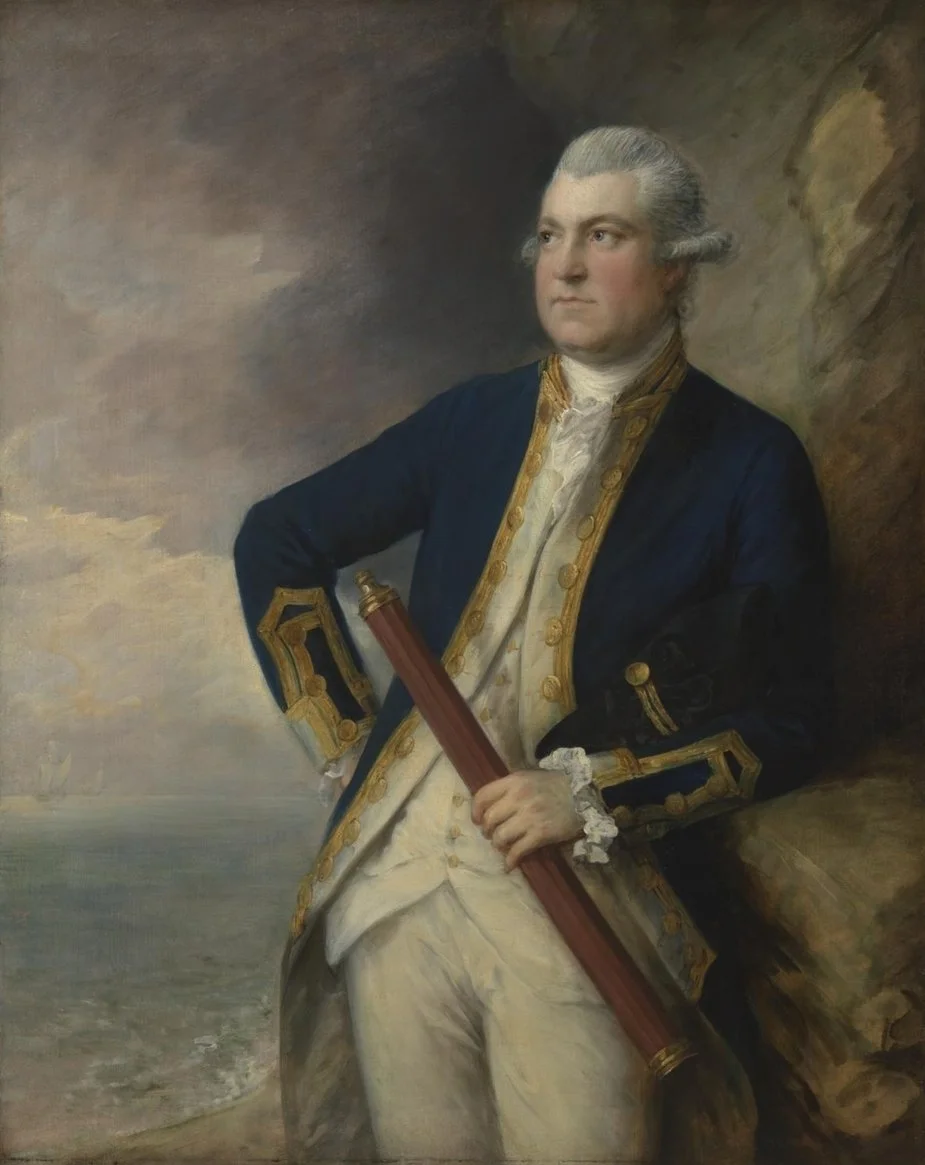
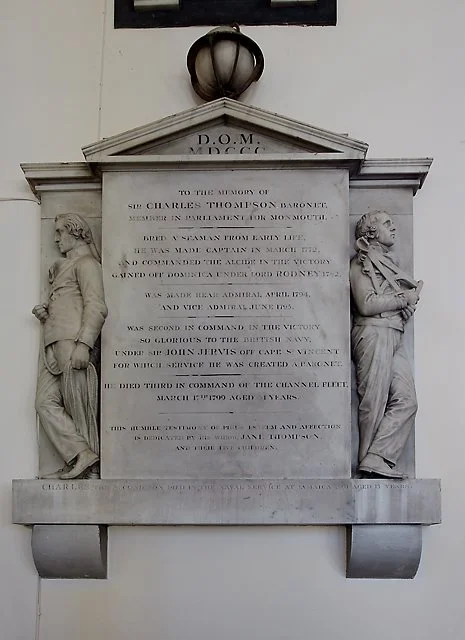
Sir Charles Thompson (c.1740–1799) spent more than forty years in the Royal Navy and rose from a young sailor to vice-admiral. He entered the Navy in 1755 and served through three major conflicts: the Seven Years’ War, the American War of Independence and the wars against Revolutionary France. Royal Museums Greenwich records commands including HMS Chatham, Crescent, Alcide, Edgar, Elephant and Vengeance.
His most famous moment came at the Battle of Cape St Vincent on 14 February 1797. Thompson was second-in-command to Admiral Sir John Jervis when a British fleet defeated a much larger Spanish force off Portugal. The battle became one of the great naval victories of the period and helped establish the reputation of another officer present that day: Horatio Nelson. Thompson was rewarded for his part in the campaign with a baronetcy later that year.
His career was not without disagreement. Thompson later clashed with Jervis, particularly after criticising the execution of mutineers on a Sunday. He was eventually removed from Jervis's Mediterranean command, although he continued to hold senior appointments and commanded forces off Brest. By then his health was deteriorating. He returned to Hampshire early in 1799 and died at Fareham on 17 March 1799, shortly after being promoted Vice-Admiral of the Red.
Thompson also entered national politics. From 1796 until his death in 1799 he represented Monmouth in Parliament, giving this Fareham naval officer a place in both Britain's military and political history.
His face survives as well. Thomas Gainsborough painted Thompson in 1774, and the National Portrait Gallery holds a later mezzotint made from Gainsborough's portrait.
There is one point I would check before publishing the final churchyard wording. Your St Peter & St Paul burial dataset lists Vice-Admiral Sir Charles Thompson, 1740–17 March 1799 among its memorials. Published historical sources, however, state that he was buried at Holy Trinity, Fareham, where a monument to him was later recorded. So I would describe him for now as “a major historical figure associated with Fareham” rather than definitely saying his grave is at St Peter & St Paul.
